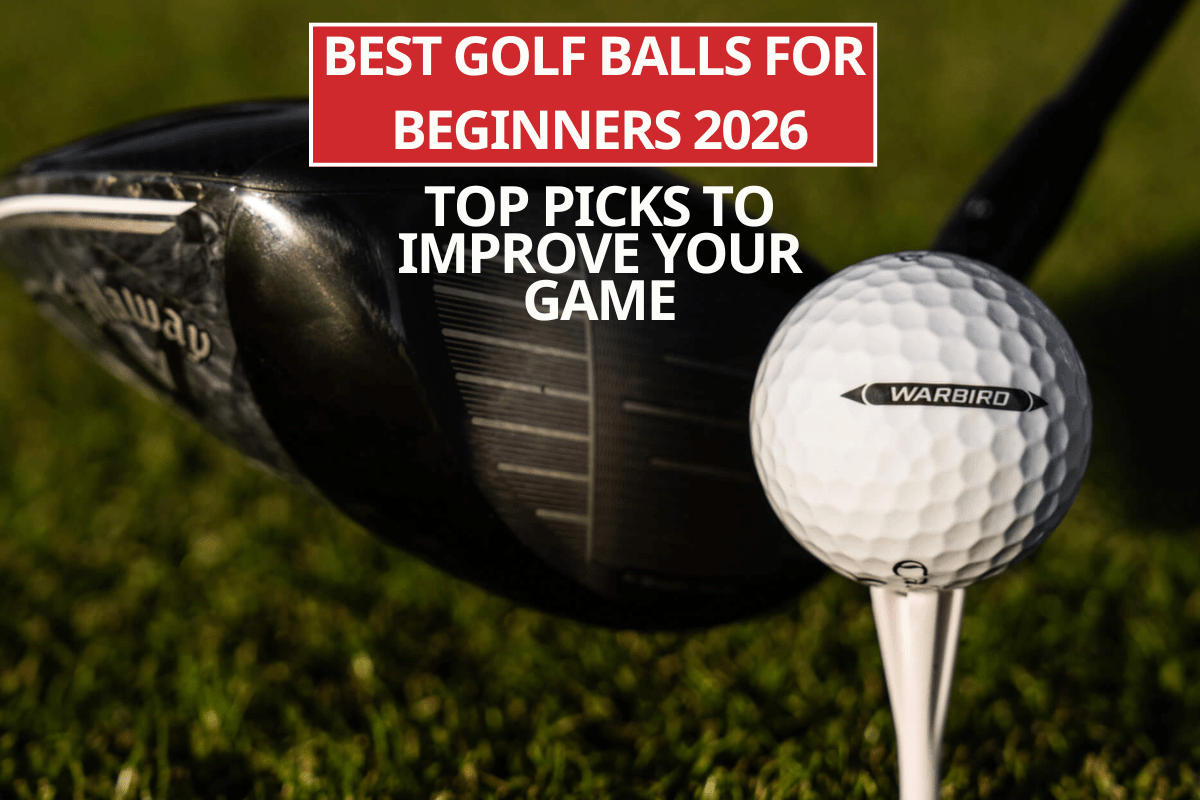
Starting your golf journey means making countless decisions about equipment, but few choices matter more than the golf ball you play. Walk into any pro shop and you'll face walls of options, each promising revolutionary performance. Here's what beginners actually need: forgiving, affordable golf balls designed for developing swings and higher handicaps. The right ball won't just save you money—it'll help you build confidence, understand your game, and genuinely enjoy learning this sport.
Our Top Picks for Beginner Golf Balls
Based on testing and feedback from golfers developing their game, here are our recommendations for the best golf balls for beginners available now:
Srixon Soft Feel Golf Balls - Best Overall Performance

The Srixon Soft Feel Golf Balls — £22.95 per dozen (£59.95 3 Dozen Bundle) — hit the sweet spot between performance and value for developing golfers. These balls feature an ultra-low 60 compression core specifically engineered for moderate swing speeds, making them ideal for beginners still building power and consistency.
What sets the Soft Feel apart is the 338 speed dimple pattern that promotes a penetrating ball flight even when you don't strike it perfectly. The soft ionomer cover provides excellent feedback on every shot whilst resisting the cuts and scuffs that come with learning the game. At just over £2 per ball, they're affordable enough that losing a few won't hurt, yet premium enough to help your game improve.
Srixon Distance Golf Balls - Best Budget Option

For complete beginners or those on tight budgets, the Srixon Distance Golf Balls — £14.95 per dozen (£39.95 3 Dozen Bundle)— prove you don't need to spend heavily for decent performance. These balls prioritise distance and durability through an energetic gradient growth core that maximises ball speed with slower swings.
The 432 aerodynamic dimple pattern ensures longer, straighter flight, whilst the cut-resistant ionomer cover withstands mishits that would damage softer premium balls. At £1.25 per ball, the Distance offers genuine Srixon quality at prices that make sense when you're still finding your way around the course.
Mizuno RB 566 Golf Balls - Best for Feel Development

The Mizuno RB 566 Golf Balls — £19.95 per dozen (£49.95 3 Dozen Bundle) — represent a step up for beginners who want tour-level feel without tour-level prices. The 566 micro-dimple pattern creates stable, consistent flight, whilst the soft gradational compression core optimises energy transfer for maximum distance with moderate swing speeds.
What makes these special for developing golfers is the exceptional feedback they provide on putts and chips. As you improve, these balls grow with you, offering more greenside performance than you'll initially need but that you'll appreciate as your short game develops. The responsive ionomer cover balances durability with the soft feel that helps you understand quality of contact.

Wilson Ultra Distance Balls - Best Value Pack
For beginners who lose multiple balls per round, the Wilson Ultra Distance Balls - 24 Pack offers exceptional value at £24.95 — just over £1 per ball. The 24-ball pack ensures you're well-stocked for multiple rounds, whilst the low compression design provides solid distance off the tee. These balls won't match premium models for greenside control, but beginners typically struggle with approach shot consistency anyway. What they do well is providing reliable performance and durability that withstands topped shots and cart path bounces.
Why the Right Golf Ball Matters for Beginners
Many developing golfers assume all golf balls perform similarly. This misconception costs beginners distance, confidence, and money. The golf ball you choose significantly impacts three crucial elements of your game: distance, control, and feel.
Professional golfers obsess over ball selection because they understand the performance differences between models. Whilst you don't need tour-level balls as a beginner, you absolutely need balls engineered for slower swing speeds and less consistent contact. The right beginner golf ball will help you achieve better distance even on mishits, and won't punish you as severely for off-centre strikes—something that happens frequently when you're learning.

Perhaps most importantly, choosing affordable golf balls means you won't wince every time one disappears into the water or woods. Industry research suggests high handicappers lose an average of 2-3 balls per round. Losing a £4 premium ball hurts your wallet and your confidence. Losing a budget-friendly ball? That's just part of the learning process.
What Makes a Golf Ball Good for Beginners?
Before exploring more options, let's understand the key characteristics that define the best golf balls for beginners. These features directly impact your performance on the course.
Low Compression for Slower Swing Speeds
Compression is the most critical factor for beginner golfers. Golf ball compression measures how much the ball deforms when struck, rated on a scale from 0 to 200. Most beginners have swing speeds below 90 mph with their driver, which means they need low compression golf balls—typically rated 60-80—to maximise distance and performance.
Low compression balls compress more easily at impact, creating a trampoline effect that helps slower swings generate more ball speed and distance. Premium tour balls with compression ratings of 90-100+ simply won't compress properly with beginner swing speeds, resulting in shorter shots and less satisfying performance. Think of it like squeezing a tennis ball versus squeezing a cricket ball—the tennis ball (low compression) gives easily to your grip strength, whilst the cricket ball (high compression) barely budges.
The Srixon Soft Feel's 60 compression rating makes it perfectly suited for developing swings, whilst even the budget-friendly Srixon Distance features compression designed for moderate speeds. This engineering difference explains why beginners often gain 10-15 yards simply by switching from high-compression premium balls to properly-fitted low compression models.
Durability and Cut Resistance
Beginners make more off-centre contact than experienced golfers. Fat shots, thin shots, and topped balls are all part of the learning curve. These mishits can damage softer premium balls with thin urethane covers, leading to cuts, scuffs, and reduced performance after just a few holes.
The best golf balls for beginners feature durable Surlyn or ionomer covers that resist cuts and scuffs. These materials might not offer the same greenside spin as urethane, but for beginners who struggle with approach shot consistency anyway, that's actually a benefit. Less spin means fewer shots ballooning off target from unintentional sidespin created by mishits.

Durable balls last longer, meaning you'll get more rounds from each dozen—important when you're also losing balls to wayward tee shots and approach shots. The ionomer covers on all our recommended balls provide the cut resistance needed to withstand the learning process whilst maintaining performance round after round.
Visibility and Feel
Soft golf balls provide better feedback on contact, helping beginners develop feel and touch around the greens. The satisfying "click" of a well-struck soft ball builds confidence and helps you understand the difference between pure and mishit shots. This feedback loop is crucial for improvement—you can't fix what you can't feel.
Visibility matters too. Bright white balls are easier to track in flight and find in the semi-rough—crucial when your shot dispersion is still developing. Whilst yellow and orange balls offer even better visibility for some golfers, white remains the standard and works brilliantly for most beginners. Many of the balls we recommend feature high-visibility designs specifically to help you track shots and locate balls more easily.
Value for Money
Beginners lose golf balls. Frequently. If you're playing 2-3 times per month and losing 2-3 balls per round, you'll go through 6-9 dozen balls annually. That's why cheap golf balls for beginners make perfect sense—not because you deserve inferior equipment, but because you need equipment that matches your current stage of development.
The best beginner golf balls UK golfers choose offer excellent performance at prices that won't cause anxiety every time you pull driver on a tight hole. Our recommended range spans from £14.99 to £29.99 per dozen, providing options for every budget whilst maintaining the quality needed to help you improve. Value packs offer even better economics for frequent players.
How to Choose the Right Golf Ball for Your Game
With our recommendations in hand, here's how to make the final decision on which golf ball suits your specific needs:
Consider Your Swing Speed: If you don't know your driver swing speed, a simple rule applies: if you struggle to carry the ball 200 yards with your driver, choose balls with compression ratings below 70. The Srixon Soft Feel (60 compression) or Srixon Distance fit perfectly here. As you develop more swing speed through lessons and practice, you can graduate to mid-compression balls like the Mizuno RB 566.
Evaluate Your Budget: Be honest about how many balls you lose per round. If you're losing 2-3 balls every 18 holes, you'll go through 4-6 dozen balls in a season of regular play. Multiply your typical ball loss by your planned rounds to calculate seasonal ball costs, then choose accordingly. The Srixon Distance at £14.99 per dozen offers best value for frequent ball-losers, whilst the Soft Feel provides premium performance for those who've improved their consistency.

Think About Feel Preferences: Some beginners prefer soft, responsive balls that provide feedback on every shot. Others want simple, straightforward distance without worrying about nuance. Visit our Ringwood store and hit a few putts with different balls on the practice green—the one that feels best will help your confidence on the course.
Plan for Improvement: If you're committed to rapid improvement through regular lessons and practice, consider balls like the Mizuno RB 566 that offer performance you'll grow into. The extra investment pays dividends as your game develops. If you're playing casually for enjoyment, the Srixon Distance or Soft Feel provide everything you need.
Try Before Committing: Purchase a sleeve (3 balls) of your top choices and test them over several rounds before buying multiple dozen. Pay attention to how they feel off the tee, on approach shots, and around the greens. The right ball will inspire confidence across all aspects of your game.
Common Mistakes Beginners Make with Golf Balls
Avoid these frequent errors when selecting and using golf balls during your development:
Playing Premium Tour Balls Too Soon: Tour-level balls like Pro V1s offer performance characteristics that benefit single-digit handicappers but often hinder beginners. The high compression cores don't work with slower swing speeds, and the soft urethane covers damage easily from mishit shots. These balls cost £40-50 per dozen and provide minimal benefit until your handicap drops below 10. Save the premium investment for when you can genuinely benefit from tour-level performance.
Choosing Only Based on Price: Whilst budget matters, the cheapest possible balls often sacrifice too much performance. Very cheap balls may have inconsistent cores or poorly-designed dimple patterns that affect flight and distance. Our recommended budget options like Srixon Distance offer far better value than generic supermarket balls because they maintain quality control and performance standards.
Playing Different Balls Each Round: Consistency helps you develop feel and understand your distances. Switching between different balls round-to-round makes it harder to build reliable yardages and calibrate your expectations. Choose one ball type and stick with it for at least a season. This consistency accelerates learning and helps you track genuine improvement.
Ignoring Compression Ratings: Many beginners buy balls based on brand recognition without checking compression. A beginner playing a high-compression ball will lose significant distance and performance. Always check the compression rating matches your swing speed. Most manufacturers list this information on packaging or websites.
Not Stocking Up: Running out of your preferred ball mid-season and switching to whatever's available disrupts your feel and consistency. When you find a ball that works, buy several dozen to ensure you maintain consistency throughout the season. We offer attractive pricing on multi-dozen purchases at our Ringwood store and online.
Frequently Asked Questions
What compression golf ball should a beginner use?
Beginners should use golf balls with compression ratings between 60-80. Low compression balls compress more easily with slower swing speeds (typically under 90 mph for beginners), creating better energy transfer and increased distance. The Srixon Soft Feel (60 compression) and Mizuno RB 566 (mid-range compression) are perfect examples of beginner-appropriate compression. Higher compression balls won't compress properly with slower swings, resulting in lost distance and poor feel.
How much should beginners spend on golf balls?
Beginners should budget £15-30 per dozen golf balls. This range provides quality performance without the premium pricing of tour balls. Expect to purchase 3-5 dozen per season if playing regularly, meaning an annual ball budget of £50-150. The Srixon Distance at £14.99 per dozen maximises balls per pound spent, whilst the Srixon Soft Feel at £26.99 offers premium features at accessible pricing.
Do soft golf balls go further for beginners?
Yes, soft golf balls typically provide better distance for beginners because they compress more easily with slower swing speeds. The softer core acts like a spring, creating more ball speed from the same swing. However, "soft" refers to compression rating, not just feel—ensure you're choosing balls with compression ratings suitable for moderate swing speeds (60-80 compression) rather than simply balls that feel soft to the touch.
Should beginners use coloured golf balls?
Coloured golf balls—particularly yellow or orange—can help beginners track ball flight and find balls in the rough more easily. However, performance matters more than colour. Choose a ball based on compression and construction first, then select your preferred colour within that model if options exist. White balls work perfectly well for most beginners and remain the standard choice.
What's the difference between cheap and expensive golf balls for beginners?
For beginners, the primary differences are durability, consistency, and feel. Expensive balls offer more consistent cores, better quality control, and softer feel—but they won't dramatically improve your scores until your swing becomes more consistent. Cheap balls may have slightly less consistent flight patterns but still provide adequate performance. The recommended balls in this guide strike the right balance of quality and value for developing golfers.

Start Your Golf Journey with the Right Ball
Selecting the best golf balls for beginners doesn't require massive investment or advanced knowledge. By choosing low compression balls designed for moderate swing speeds, prioritising durability over premium features, and finding the right balance of performance and value, you'll have equipment that helps rather than hinders your development.
Our top picks each offer distinct advantages for different beginner needs: the Srixon Soft Feel for overall performance, Srixon Distance for budget-conscious golfers, and Mizuno RB 566 for premium feel that grows with your game. Each represents genuine value at their respective price points.
The best golf ball for you is one that matches your current skill level, swing speed, and budget. Don't be swayed by marketing hype or premium pricing aimed at tour professionals. Focus on balls engineered for your game today, and upgrade as your skills develop. The confidence and enjoyment you'll gain from playing the right ball will accelerate your improvement far more than any premium model designed for professionals.
Ready to stock up on the perfect beginner golf balls? Visit our store in Ringwood or browse our complete selection online at Evolution Golf. Our expert staff can help you select the ideal balls for your game and answer any questions about equipment selection. We're passionate about helping golfers at every level find equipment that enhances their enjoyment of this game.
Start your golf journey with confidence, equipped with balls designed to help you improve and enjoy the game. Your best rounds are ahead of you.